
The most common question I see in bridal groups is, “I just got engaged! Now what?”
After the big proposal, it’s not long before questions from family and friends start rolling in…
“When’s the wedding?” “Where are you getting married?” “When are you going to start planning?” Needless to say, it can be a bit overwhelming. Between my 12 years as a wedding photographer in the Philadelphia area, planning my own wedding, and researching for wedding tip videos to share across my social media pages, it’s safe to say I’ve become a bit of an expert on the topic. Here is my recommended wedding planning timeline to help guide your next steps.
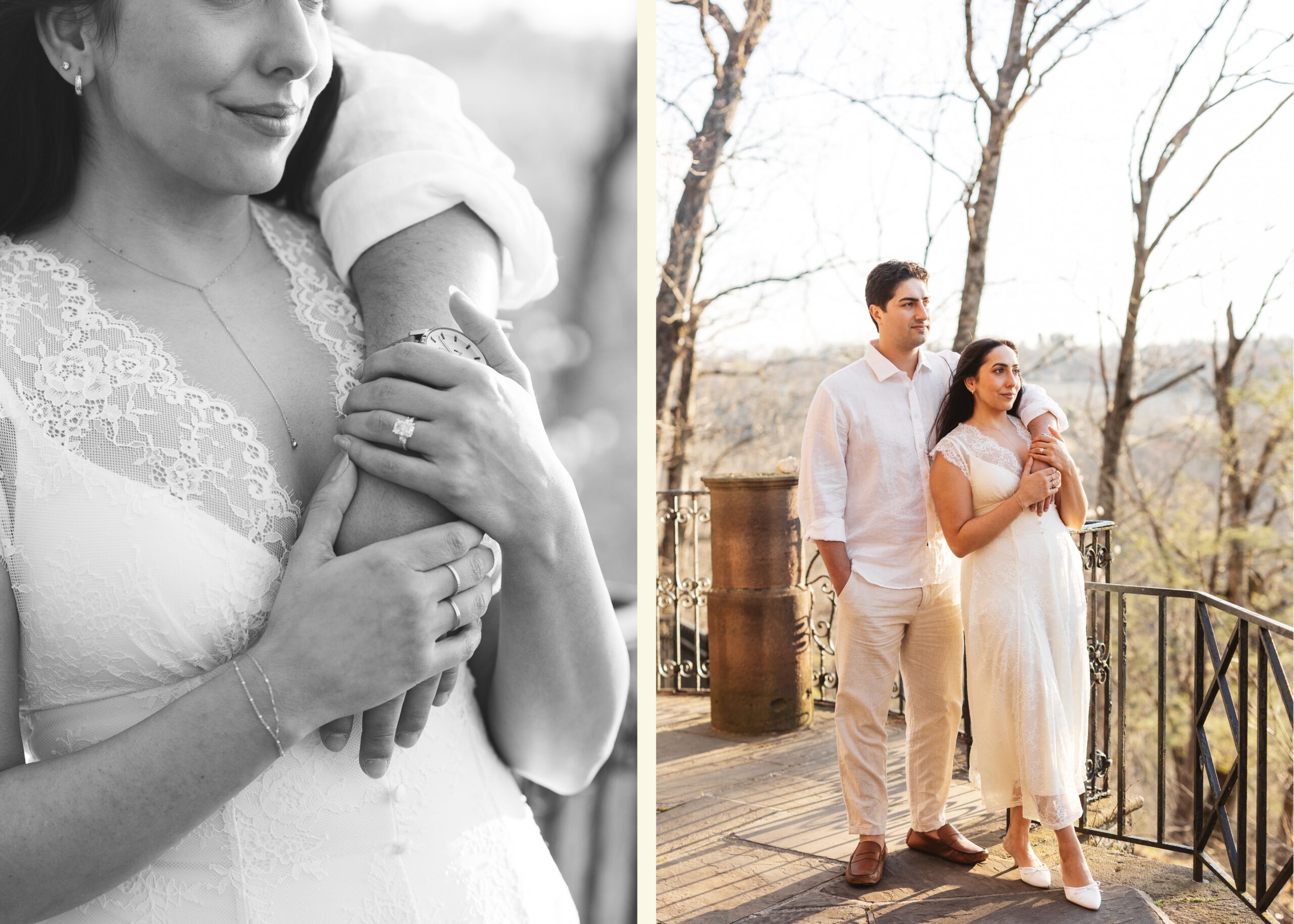
Before I start, remember that everyone’s wedding planning timeline is different. This guide will be structured around a general timeframe of around 12 to 18 months – if you’re working on a tighter timeframe, around 9 months or less, you can always modify this guide to tackle each task a bit faster. Either way, I highly recommend taking the information from this guide and creating a master checklist for you and your fiancé to follow along to.
My husband and I worked with an 18 month timeframe and spaced each of these tasks out pretty greatly, about one task per month in the beginning of our planning experience, which really helped with that initial overwhelming feeling.
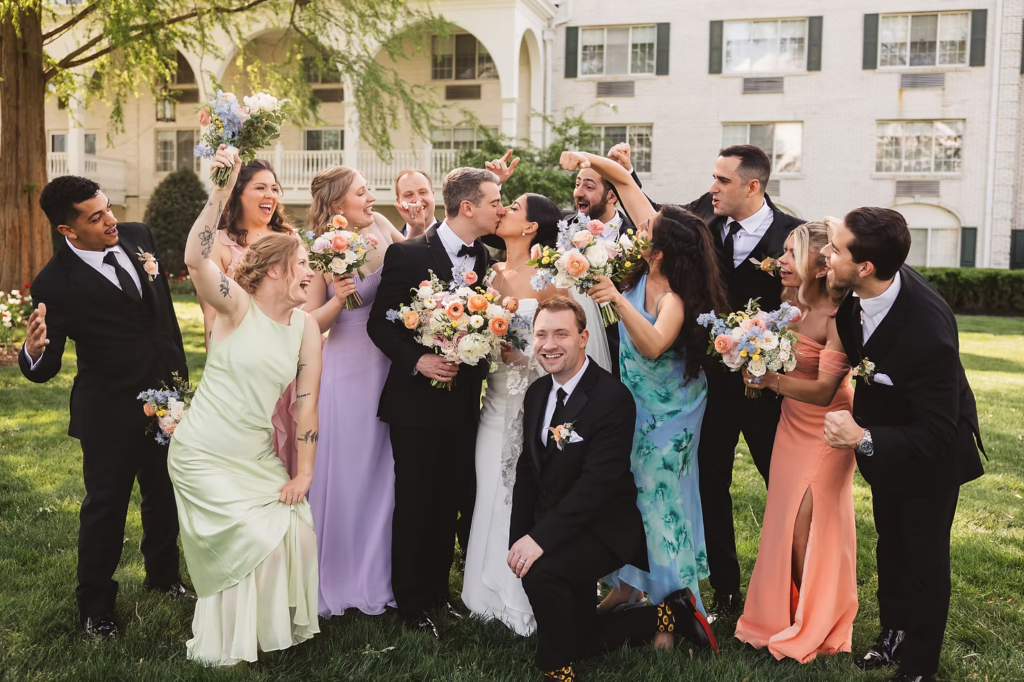
First Steps – Newly Engaged
Plan and Host Your Engagement Party – Not everyone has an engagement party, but especially if you’re expecting a “longer” engagement (18+ months) I totally recommend having one. My husband and I knew we were a few years away from our actual wedding, so hosting a celebration fresh off of the proposal gave us something fun and wedding-related to plan in the meantime.
Search for a Wedding Planner – If you know you want to leave the wedding planning to the professionals, the first vendor you book should be your planner. They will be able to provide a ton of help and insight right at the start of your experience!
Organize a General Guest List – You’ll need an idea of your guest list before you begin touring venues to ensure they can accommodate your guest count. This list will also help as you start gathering quotes from venues and caterers so you can start to set your budget. Don’t stress getting it exactly right, you’ll have time to finalize this list later.
Search for a Wedding Venue – Schedule venue tours and set your date. Once you find “the one” your entire timeline will fall into place from here.
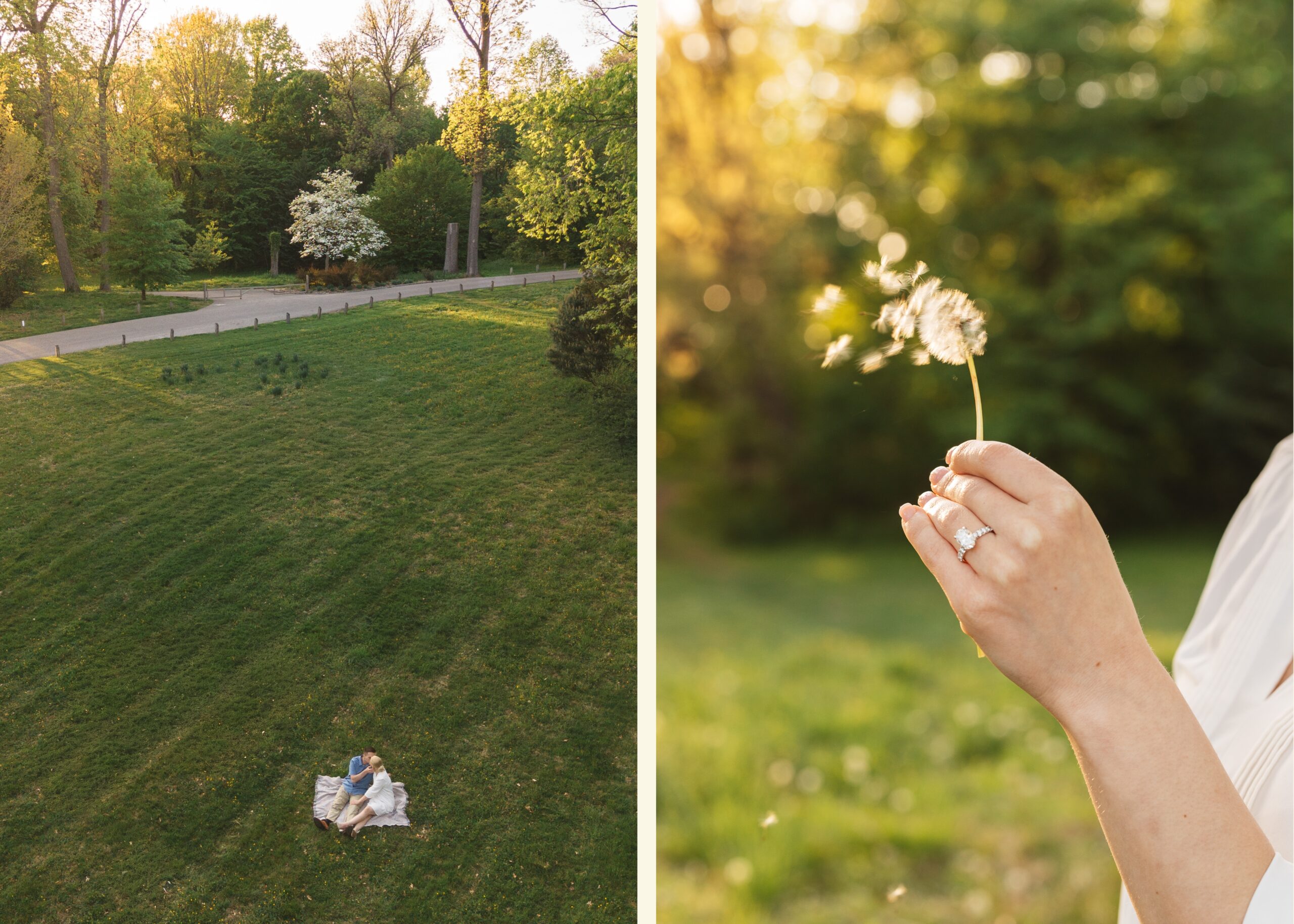
9-18 Months Out
Establish Your Vibe: Once your venue is booked, you can officially start to bring the vision to life. Whether you are working with a planner or going the DIY route; setting your wedding aesthetics with colors, themes, and overall vibes can help you with a baseline throughout the entire planning process. Especially when booking vendors who align with the vision.
Begin Booking Vendors: When it comes to booking wedding vendors, the earlier, the better. There’s a higher chance that your dream vendors will be available for your date, and in some cases, you can snag early pricing. Vendors include your photographer, videographer, planner or coordinator, florist, caterer, band/DJ, hair and makeup, and more.
Take Your Engagement Photos: Once your wedding photographer is booked, plan an engagement session by the 9-12 month out mark.
Send Out Your Save the Dates: Once you have your engagement photos done, you can use them for your save the dates! It is recommended you send these at least a year out if your wedding requires special travel plans for guests. Otherwise, at least 9 months out.
Start Searching for the Dress: Did you know the average bridal boutique recommends having your dress order in by a minimum of 10 months prior to your wedding date? Dresses can take months to come in, and then your seamstress will need at least a few weeks to make the perfect finishing touches. Plan accordingly! I started shopping about 12 months out so I would have 2 months to look freely without feeling the pressures of a time constraint. If you’re already under the 10 month mark, make the boutiques you are visiting aware of your wedding date and they should be able to ensure that you’re trying on options that will be in on time for your big day.
Start Honeymoon Planning: You should have your honeymoon destination decided in this phase so you can budget accordingly. You may want to hire a travel agent to take the planning off your plate, but planning can be spaced out over the next few months.
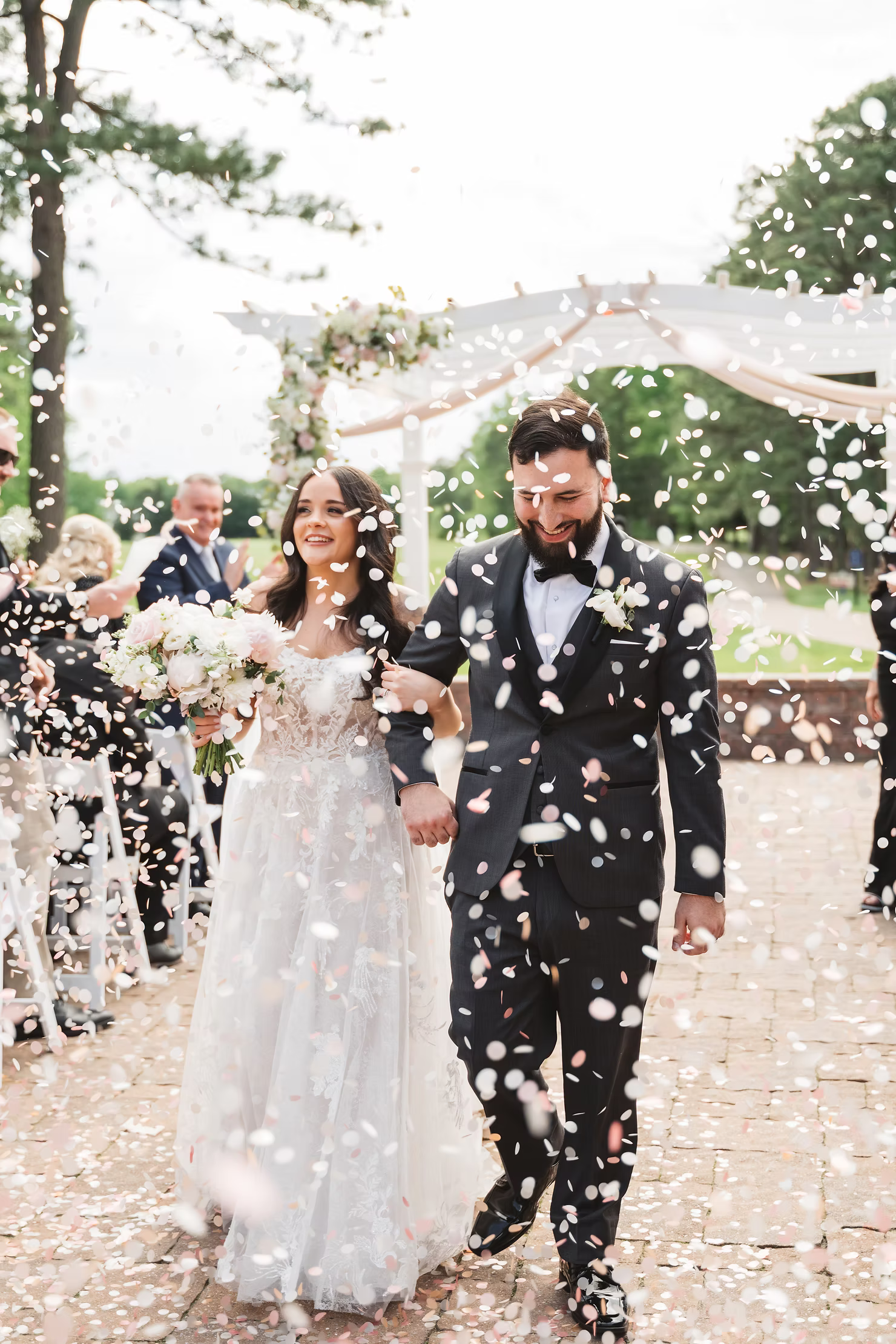
6-9 Months Out
Set up Guest Accommodations: Hotel room blocks, transportation, etc.
Book Your Officiant
Plan Wedding Weekend Events: Rehearsal dinner, after party, brunch, etc.
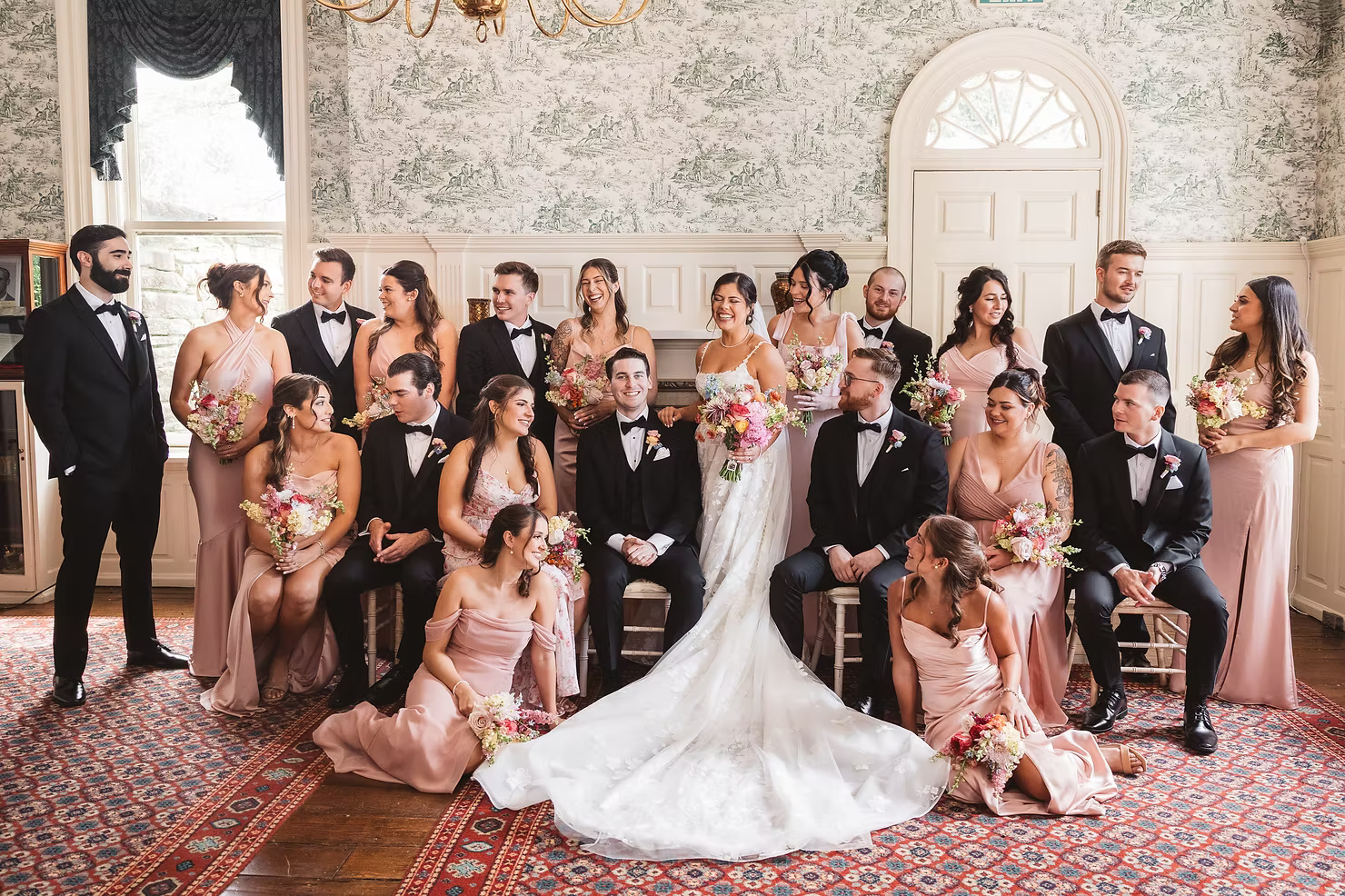
Select Wedding Party and Family Dresses: Similar to ordering your wedding dress, bridesmaid dresses, mother of the bride dresses, etc. are typically made to order and take some time to come in. Ordering at least 6 months prior is recommended.
Decor: You’ll want to create a list of the decor you need and make sure you are setting up rentals, buying the items, or making time in your schedule for DIYs.
3-6 Months Out
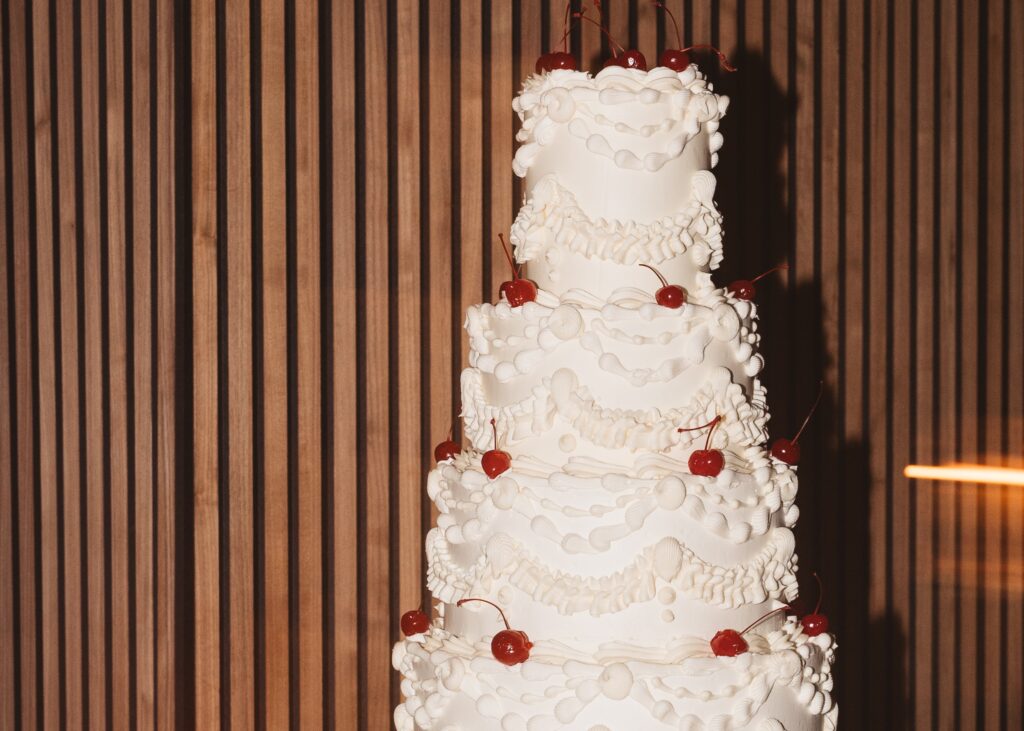
Cake and Food Tastings: Perhaps one of the most fun wedding planning activities!
Suit/Tux Rentals
Select Your Wedding Bands
Alterations: Alterations should begin as soon as you receive your dress, with at least few months before wedding day to give plenty of time for adjustments.
Wedding Day-3 Months Out
Finalize Your Wedding Day Timeline: Working with vendors like your planner and photographer, finalize your wedding timeline to convey the information to the rest of your vendors, friends, and family prior to the big day.
Obtain Your Marriage License
Purchase/Write: Any relevant wedding day gifts, thank you cards, or letters for each other, your wedding parties, your families, and your wedding vendors
RSVP Due Date: Establish your final guest count. Finalize your seating chart, headcount, and meal count with your venue (if needed).
